



Haunted Places: History, Folklore and Legends
October 24, 2026
Vermont is a small state with a long history of mysteries and folklore.
For generations, Vermonters have recorded accounts of unexplained deaths, haunted places, unusual creatures, and odd occurrences. The stories have persisted over time and remain a compelling part of the state’s history and culture.
Some of Vermont’s haunted places and best-known mysteries include the Bennington Triangle, Lake Champlain’s Champ monster, and Emily’s Bridge in Stowe.
It turns out that you can find many haunted stories, some lesser known, in every part of the state.
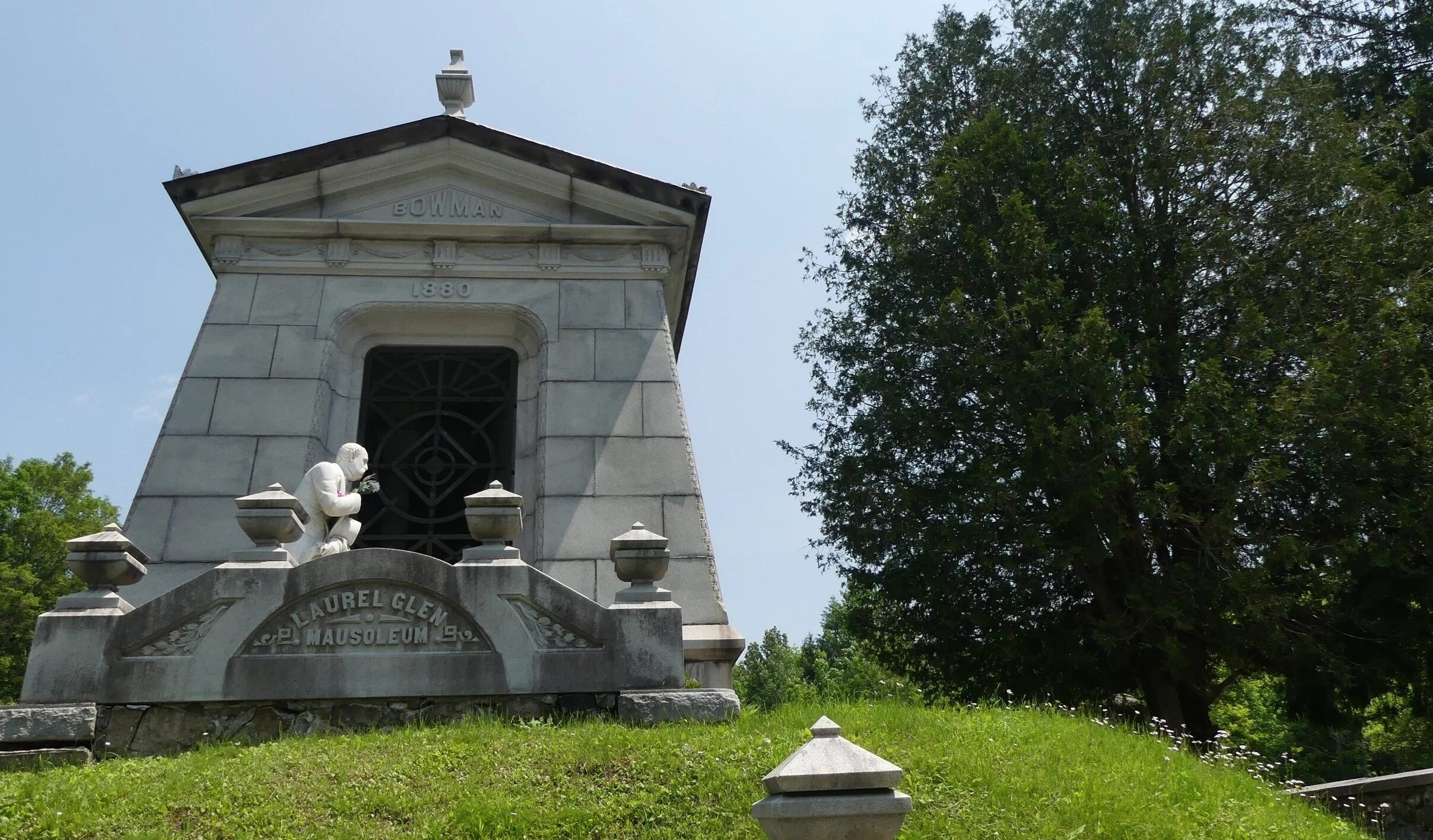
-You can’t miss the Bowman Mansion and Mausoleum on Route 103. Courtesy photos/Laurel Hall Mansion and Laurel Glen Mausoleum
Bowman Mansion and Mausoleum in Cuttingsville
John Porter Bowman, a wealthy businessman, built the Laurel Hall Mansion and Laurel Glen Mausoleum in Cuttingsville after losing his wife and two daughters.
Completed in 1881, the mausoleum features a larger-than-life marble statue of Bowman holding a key and a funeral wreath.
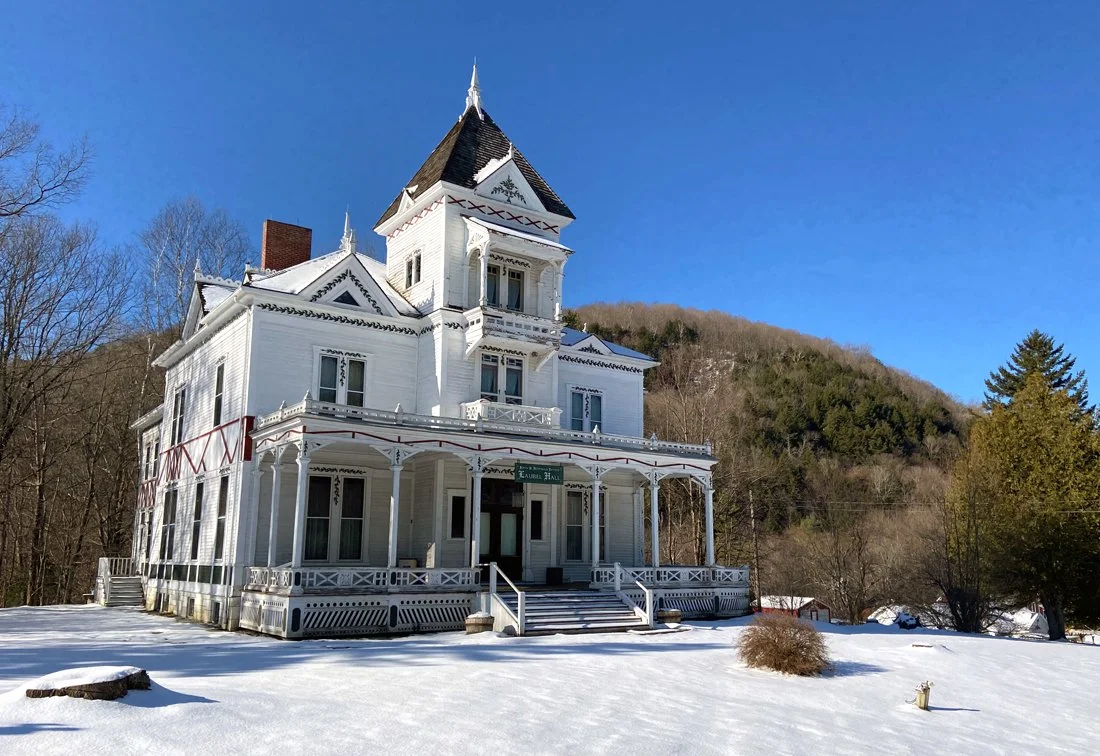
Across the road stands Laurel Hall, the elaborate Victorian mansion Bowman completed in 1882. Unlike most homes of the period, it featured closets, hot and cold water, and electricity.
Over the years, visitors have reported seeing a mysterious woman, hearing strange sounds, and experiencing unexplained occurrences inside the mansion. One cemetery trustee even said a radio turned on by itself after someone mentioned Bowman’s name.
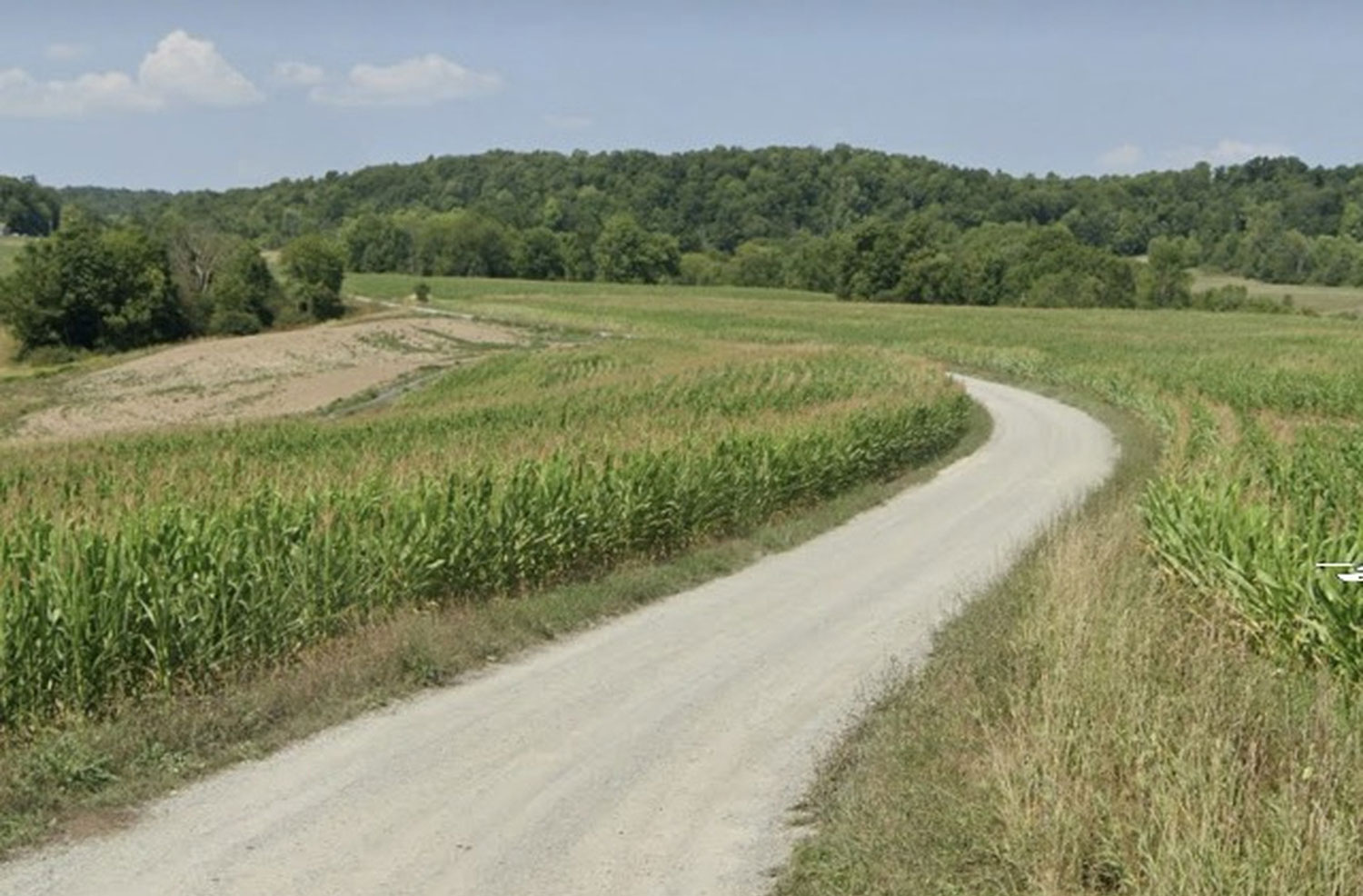
-This dirt road in West Haven has an interesting backstory.
Ghost Hollow Road in West Haven
Ghost Hollow Road in West Haven is said to have gotten its name from a strange event that happened over 200 years ago.
A young man was rushing down a dark, wooded path to get to his wife, who was in labor. He saw a pale woman in white. When he got closer, he realized it was his wife, but she disappeared.
As the story goes, when he got home, he found out his wife had died in childbirth.
Today, the narrow dirt road goes through quiet farmland. People stole the street signs so many times that the town ended up painting the road’s name on a big boulder.
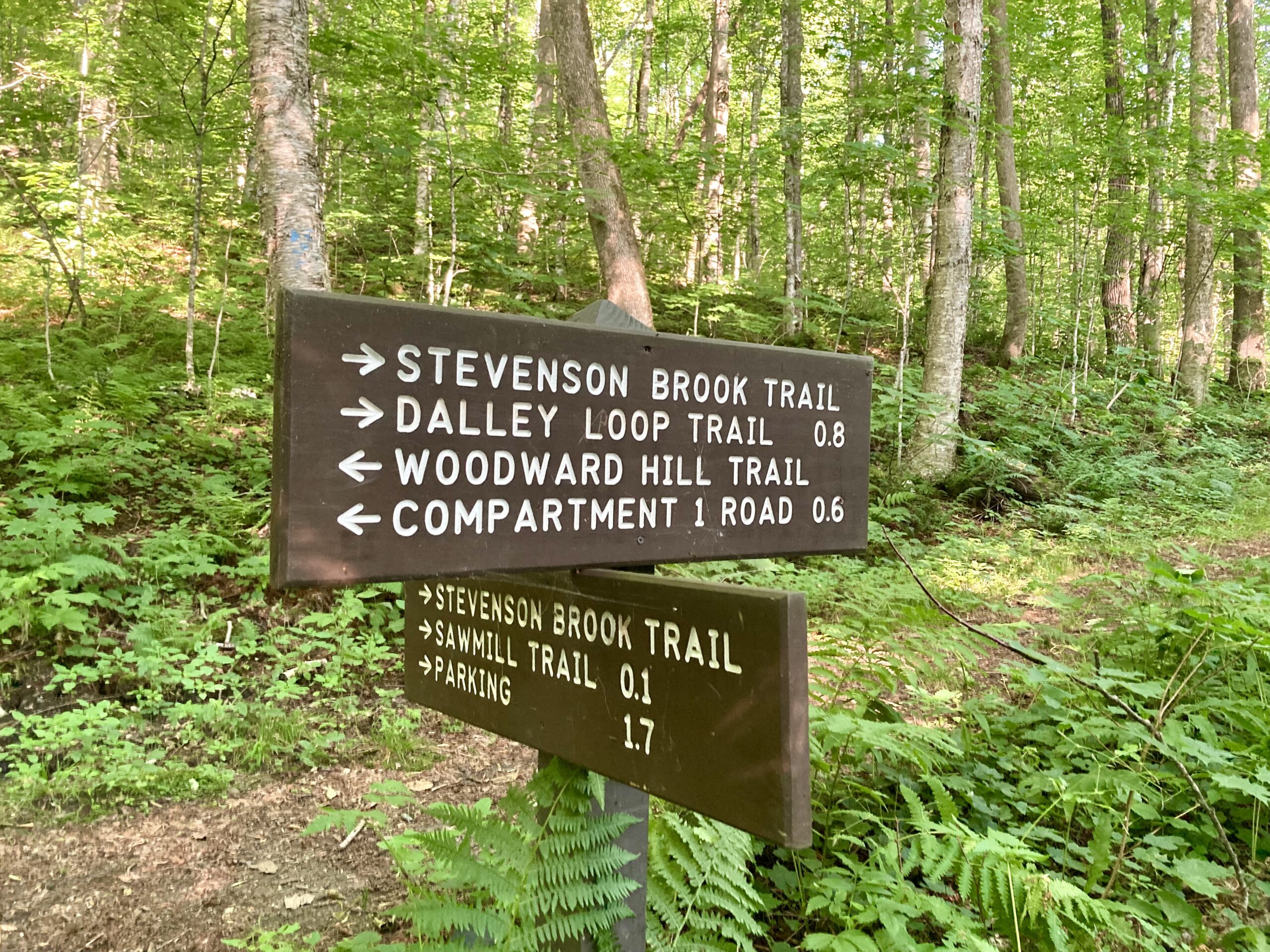
-Hardships in Little River State Park have left their mark.
Little River State Park in Waterbury
Little River State Park in Waterbury was once home to a thriving farming and logging community of about 50 families.
Sawmills operated along the river, while residents raised livestock and crops on the surrounding hillsides. Difficult farming conditions eventually drove many families away, and the 1927 flood and the construction of the Waterbury Dam in the 1930s brought further change.
Today, abandoned cellar holes, cemeteries, old roads, and sawmill remains offer glimpses of the community that once lived there.
Visitors have reported strange sounds and unexplained encounters in the woods. One story tells of a hunter who heard something tugging at his tent straps and later felt his sleeping bag being pulled during the night.
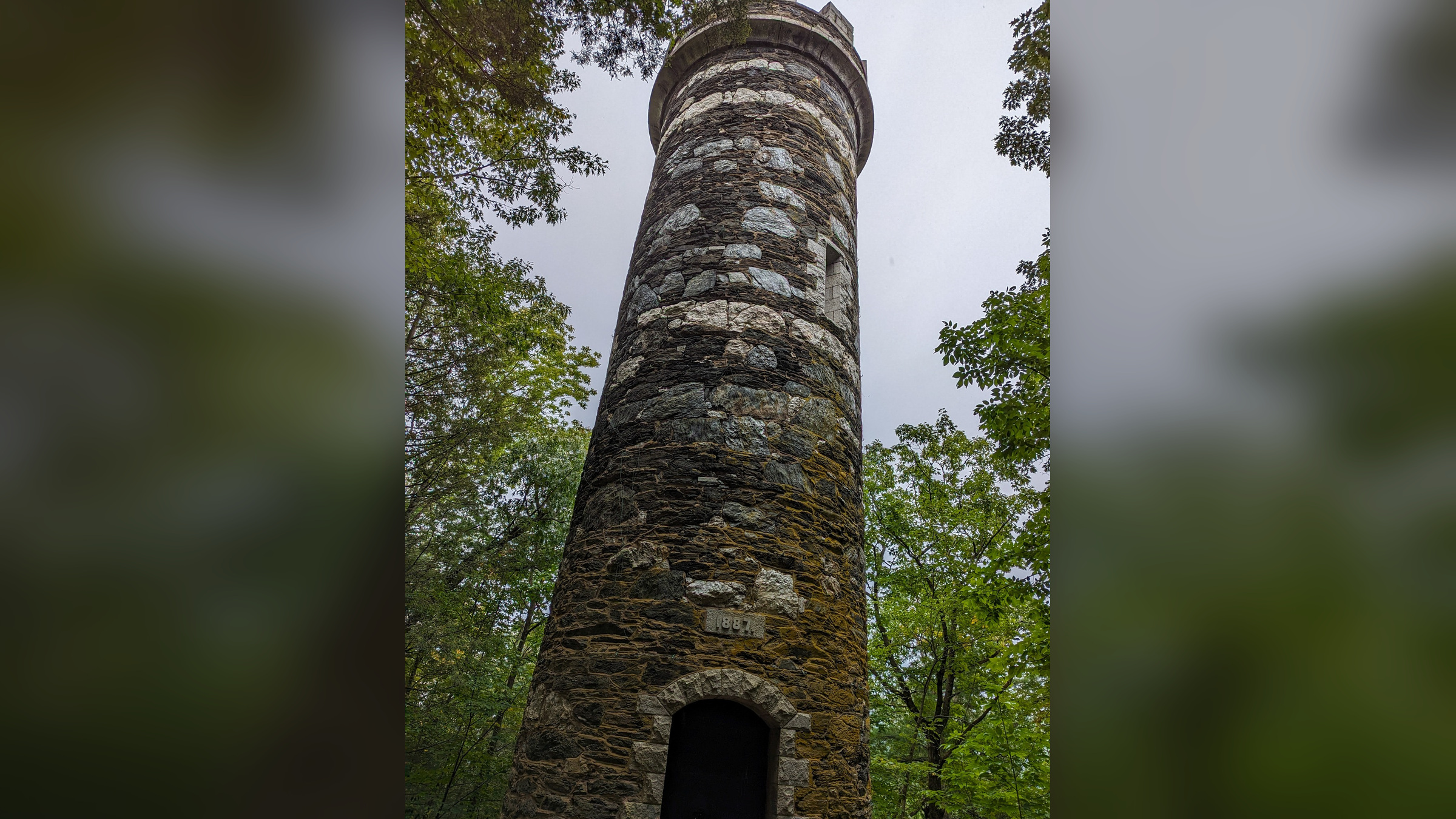
-Brattleboro Retreat patients were designated to construct the tower as it was believed the physical activity would help their treatment. Photo/Shutterstock
Retreat Tower in Brattleboro
Construction on Retreat Tower began in 1887. It stands on a wooded hillside above the Brattleboro Retreat, a psychiatric hospital that opened in 1834.
Patients helped build the 65-foot stone tower as part of a treatment plan that valued exercise, fresh air, and meaningful work. Local legend says some patients died by jumping from the tower, and visitors have reported seeing ghostly figures, including one that seems to jump but never lands.
Records show only one tragic death near the tower: a Metropolitan Opera cellist in 1923.

-A dirt road in Chittenden, the largest town in the state by land area. It was also known as the “Spirit Capital of the World.”
Spirits and Bigfoot in Chittenden
Chittenden was once called the “Spirit Capital of the Universe” because two brothers, William and Horatio Eddy, claimed they had psychic powers in the 1870s. Their family ran a local inn where the brothers held séances to talk to the dead.
Chittenden is also where Vermont’s only photo of Bigfoot was apparently taken in 1977.
The Bigfoot Field Researchers Organization has listed 11 reported Bigfoot sightings in Vermont.
In 2003, a man from Winooski said he saw a Bigfoot-like creature walking upright near Glastenbury on Route 7.
In 2010, someone in Hubbardton caught a strange figure on a trail camera in his apple orchard, which got national attention and was featured on Animal Planet’s Finding Bigfoot. There have also been sightings in Eden and Colchester, including a 1984 story about a white Bigfoot.

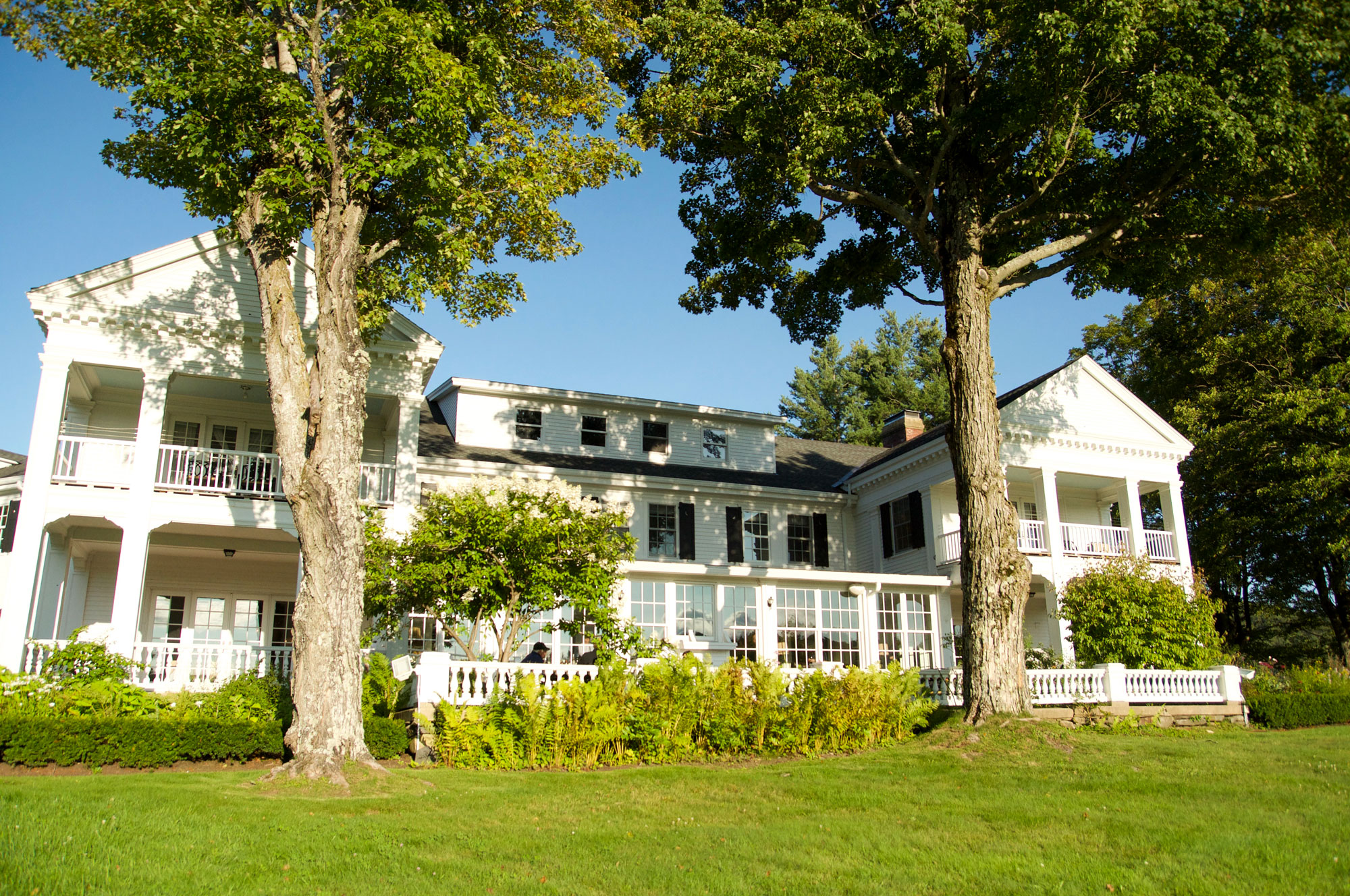
-The White House sits on a hill along Route 9 in Wilmington.
The White House in Wilmington
“I suspect every town in Vermont has at least one haunted house,” Joe Citro wrote in his 1994 book, Green Mountain Ghosts, Ghouls and Unsolved Mysteries.
In Wilmington, that haunted house is The White House. Martin Brown and his wife Clara built it in 1915 as a summer home. Local legend says Clara Brown still haunts the house.
It’s now an inn and restaurant. One story tells of a guest who woke up to see an elderly woman sitting by her bed. The woman said there was only room for one Mrs. Brown at the inn, then vanished.
Other strange things reported at the inn include doors opening by themselves, cold spots, ghosts in the hallways, unexplained knocking, and objects moving.
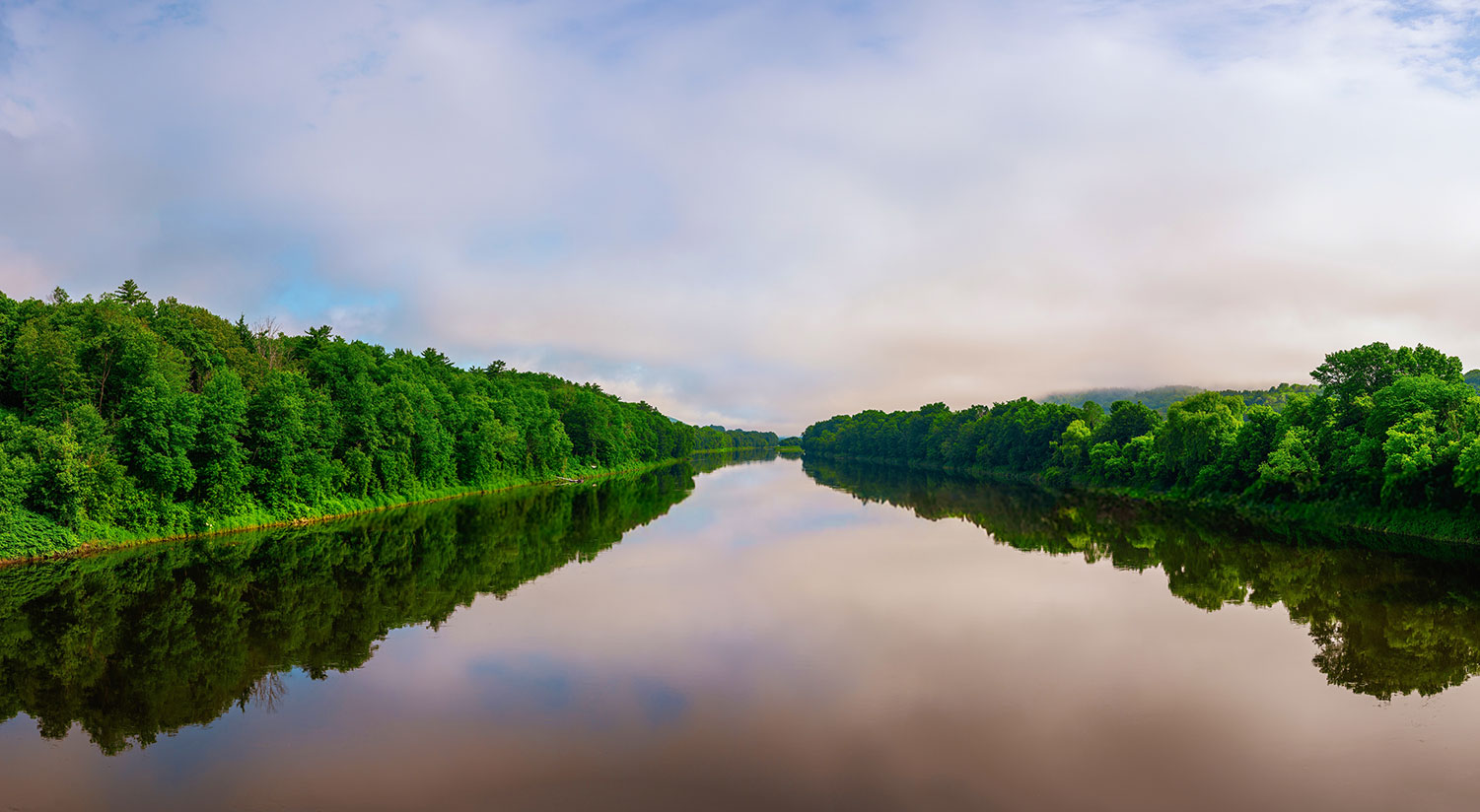
-A view of the Connecticut River in Vermont. photo/Shutterstock
Sumner Falls in Hartland
Sumner’s Falls on the Connecticut River has a long history of ghost sightings. It once hosted busy Abenaki fishing camps and later was a lumber site.
Over the years, people have reported seeing shadowy figures paddling canoes, ghosts along the shore, and mysterious people dressed like old-time loggers. Some say they’ve seen an abandoned Abenaki camp appear at dusk and disappear before sunrise.
Citro’s Green Mountain Ghosts, Ghouls & Unsolved Mysteries also mentions a mysterious horseman called the Phantom Highwayman, a ghostly hitchhiker near Lulls Brook, and the spirits of five young people who reportedly died in a house fire in 1971 near Woodstock and Ascutney.
In the late 1800s and early 1900s, loggers sent timber down the Connecticut River to sawmills in Massachusetts. The work was dangerous and deadly. One victim was 19-year-old Charles A. Barber, who was buried by the river in 1895 near Sumner’s Falls.
Local legend says ghostly loggers in old-fashioned clothes still float down the river and disappear near the falls. Some have even been seen walking along the riverside trails.
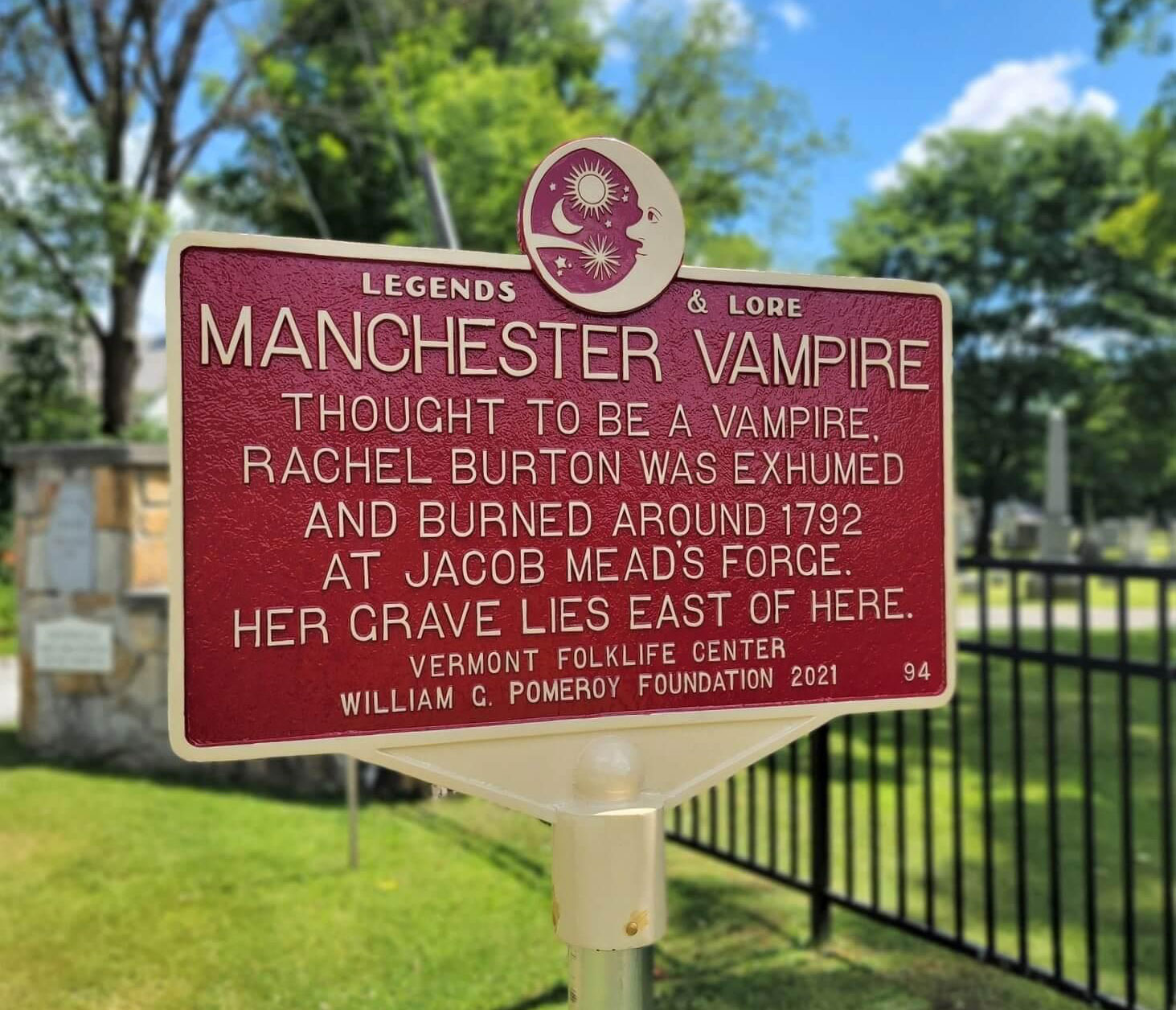
-A historic marker in Manchester honoring Rachel Harris Burton. Courtesy/William G. Pomeroy Foundation.
The Manchester Vampire
The Manchester Vampire story comes from a real event involving Rachel Harris Burton. In 1793, townspeople dug up her body because they thought she had become a vampire.
Before she died, Rachel married Captain Isaac Burton, a well-known Manchester resident and church deacon, in 1789. But less than a year later, Rachel died of tuberculosis, then called consumption, on February 1, 1790. She was about 20 years old.
A historical account says hundreds of people watched as Rachel’s heart, lungs, and liver were burned at a local blacksmith’s forge to try to stop the supposed curse. Burton soon remarried, and his second wife was stricken with tuberculous and died in 1793.
Today, Rachel’s grave and a historical marker in Manchester Center remember Rachel and the town’s vampire legend.
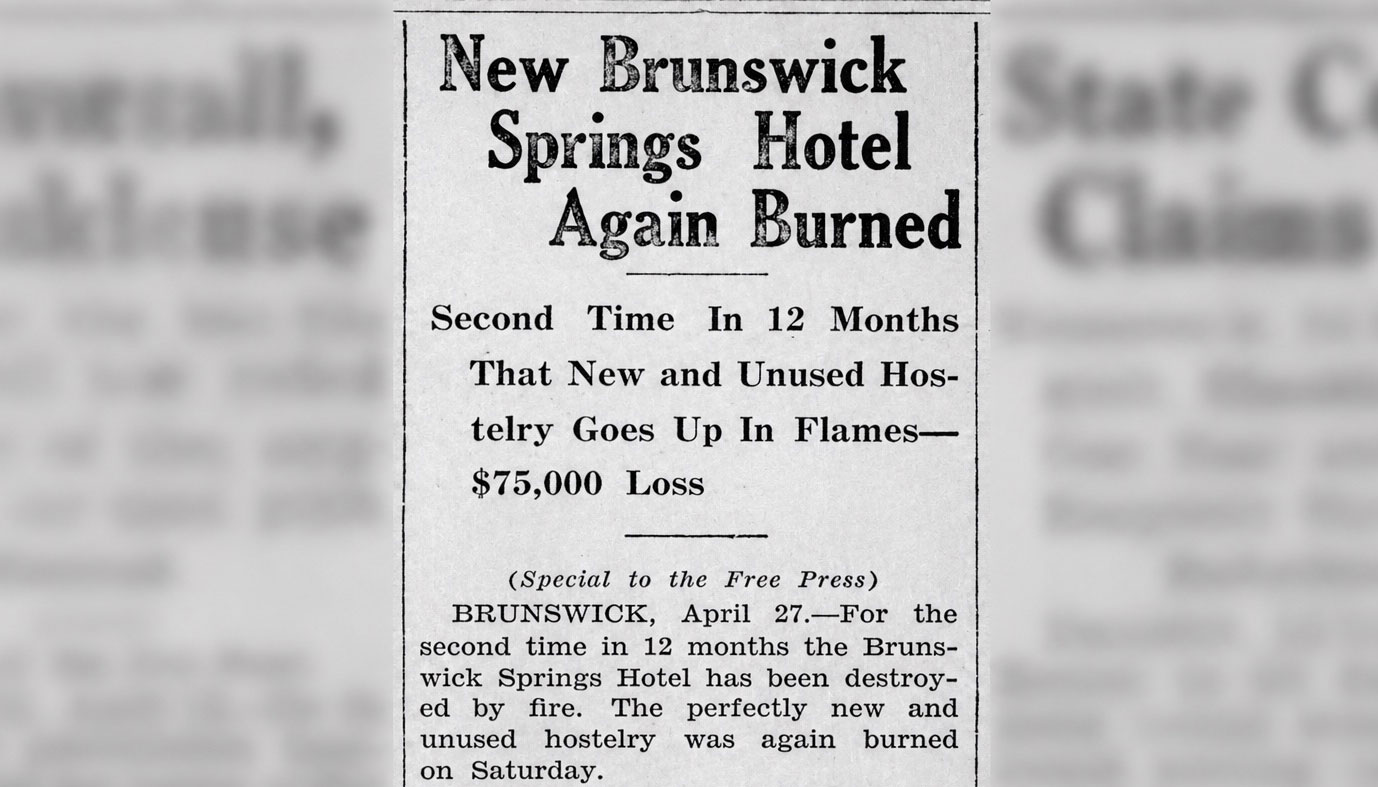
-An April 28, 1931 Burlington Free Press article with details of yet another hotel fire at Brunswick Springs.
Brunswick Springs
Brunswick Springs, located in the far reaches of the Northeast Kingdom, is said to be cursed.
Its story includes sacred Abenaki waters, an old legend, mysterious deaths, and several hotel fires that destroyed the property.
The Abenaki people saw the springs as sacred places and believed the waters offered healing powers. Legend says a curse fell on the land after violence erupted over plans to profit from the springs. Several hotel fires happened, and after the last one burned in 1931, developers never rebuilt on the property again.
The remains of the old hotels, including foundations and staircases, can still be found in the woods.
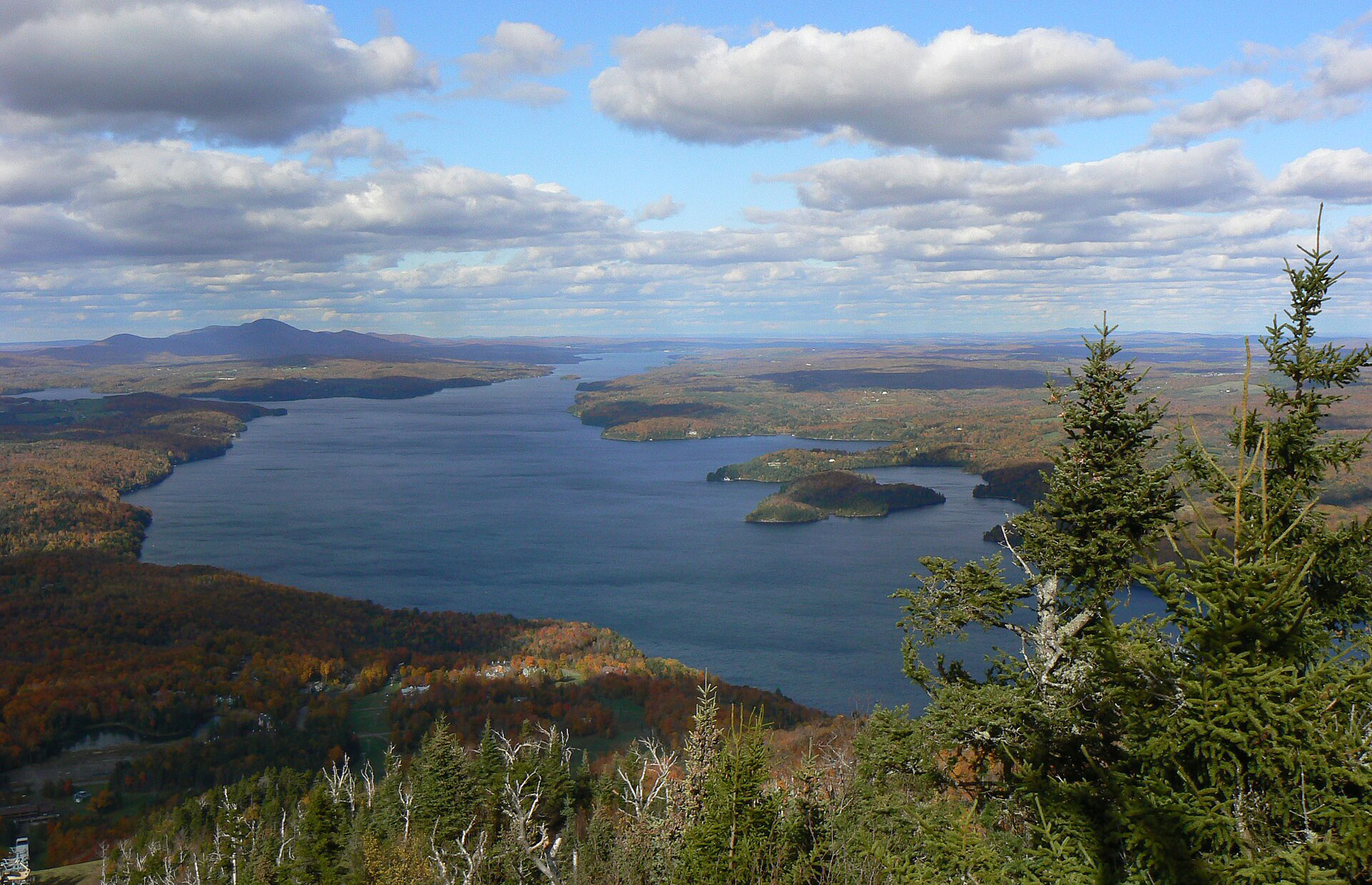
-A view of Lake Memphremagog from Quebec. Photo/Wikimedia Commons
Memphré, The Lake Memphremagog Monster
Memphré is a legendary creature said to live in Lake Memphremagog, a 31-mile-long lake that stretches from Newport into Quebec.
Descriptions vary, but most portray Memphré as a large, dark creature with a long neck, humps, or a snake-like body. Reports date back to 1816, and an 1847 newspaper described a mysterious sea serpent in the lake.
In 1983, Newport resident Barbara Malloy reported seeing a large, dark creature swimming near Horseneck Island. Malloy later helped document eyewitness accounts of Memphré, adding to a legend that has endured.
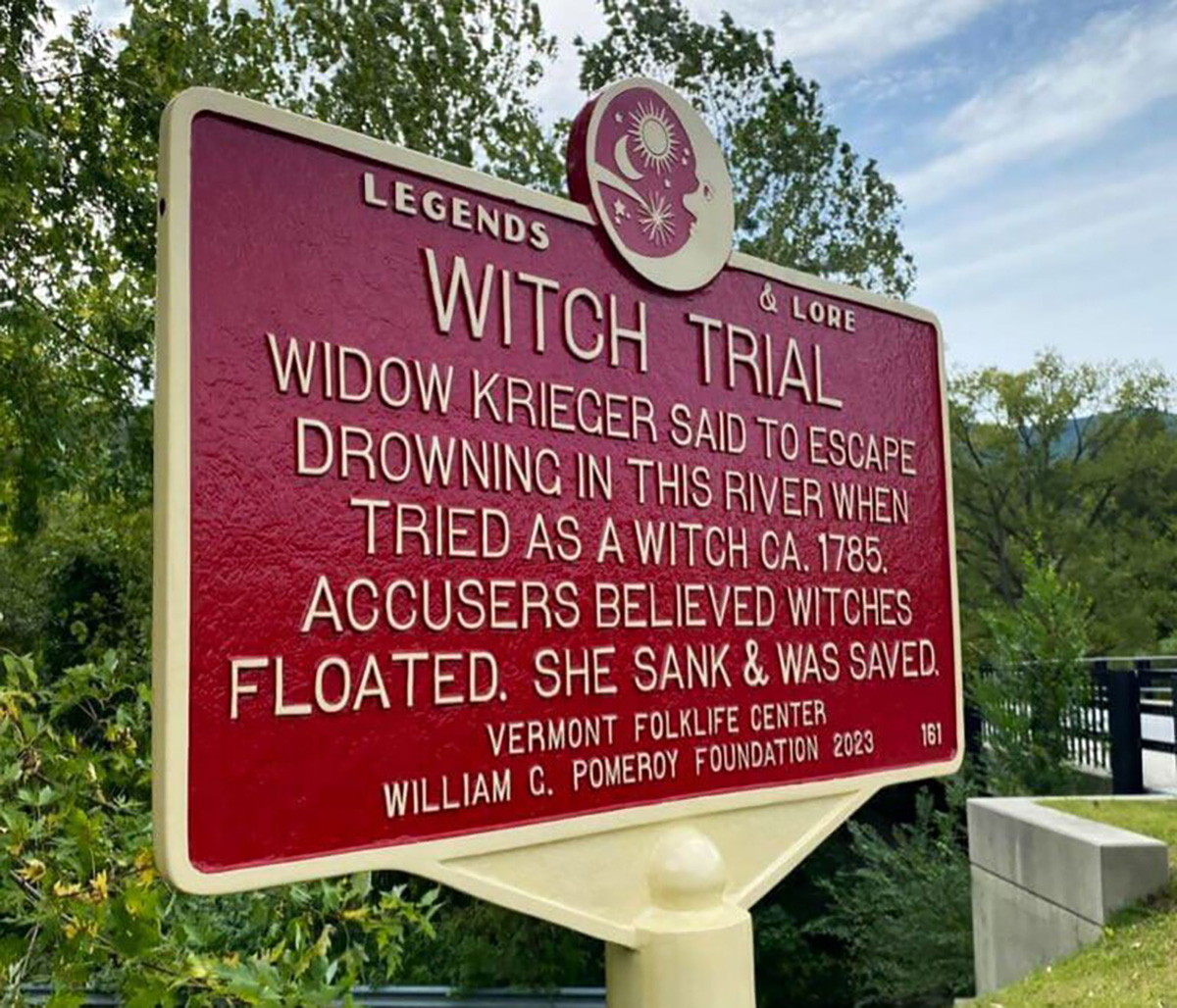
-A historic marker in North Pownal in honor of Margaret Krieger. Courtesy/William G. Pomeroy Foundation.
The Pownal Witch Trial
Around 1785, Margaret Krieger, a widow from North Pownal, was accused of witchcraft.
Accused by the local “safety committee” of witchcraft, Widow Krieger had to prove her innocence. Locals lowered Margaret through a hole in the icy Hoosic River to see if she was a witch. People believed witches would float and innocent people would sink. Margaret sank, was rescued, and lived for several more years.
Krieger’s husband died in 1785, so she ran the family’s gristmill on the Hoosic River. One theory is that neighbors may have accused her of witchcraft because they wanted her mill.
Today, a historical marker by the river remembers what happened to her, and the Pownal Historical Society hosts a yearly Witches’ Walk in her honor.
Related story: Treasure digging on South Mountain in Bristol
Help support Happy Vermont on Patreon
-Mountain Gazette is an affiliate partner. If you make a purchase using the link on this website, I may earn a small commission.